Brain-Computer Interfaces and Neural Decoding
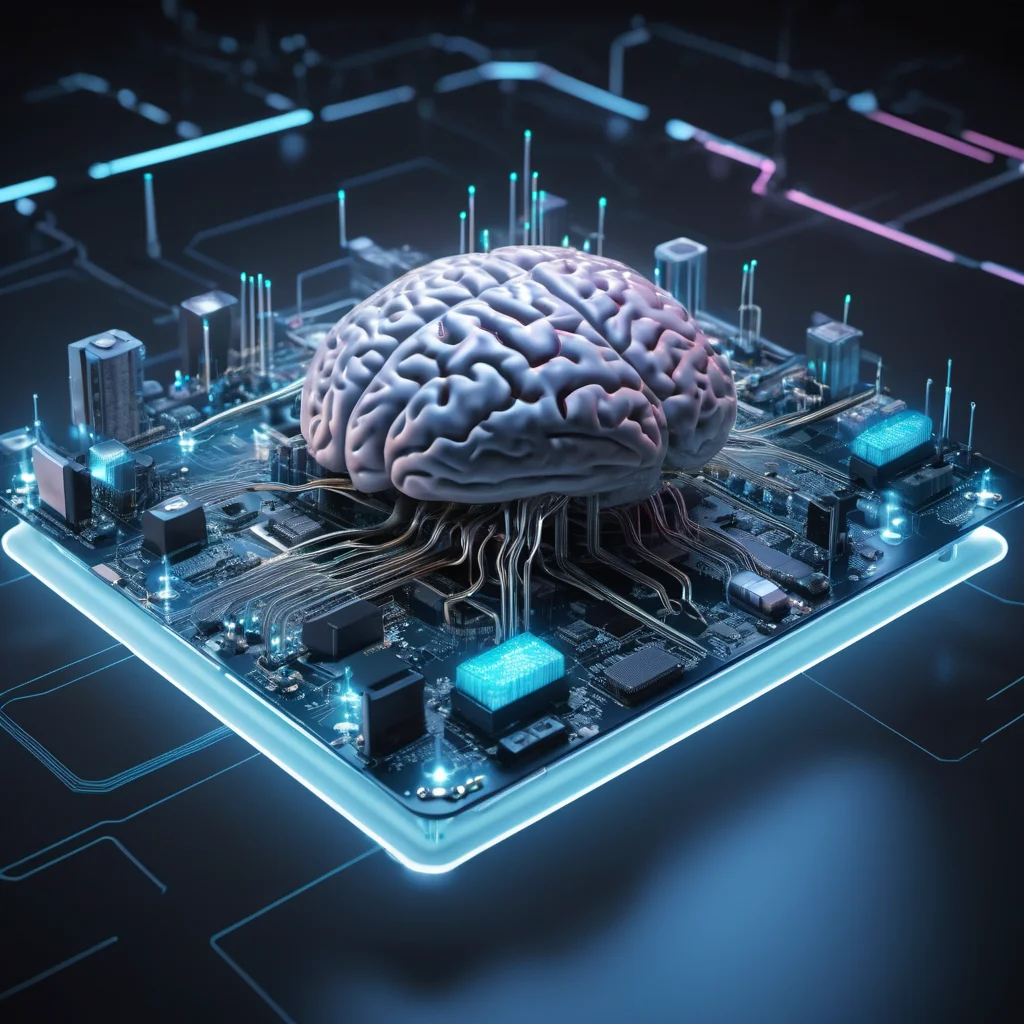
Brain-Computer Interfaces and Neural Decoding: A Looming Shift in Job Markets
Brain-computer interfaces (BCIs) and neural decoding are no longer confined to science fiction. These technologies, which allow direct communication between the human brain and external devices, are experiencing a surge in development, fueled by advancements in neuroscience, machine learning, and microelectronics. While the potential benefits for medical applications (restoring mobility, treating neurological disorders) are significant, the implications for the broader job market are complex and warrant careful consideration. This article explores the potential for job displacement and creation stemming from BCI and neural decoding, focusing on current and near-term impacts, and projecting future trends.
Technical Mechanisms: How it Works
At its core, a BCI system involves several key components. Firstly, neural signal acquisition is critical. This can be achieved through invasive methods (implanted electrodes, offering higher signal resolution but posing surgical risks) or non-invasive methods (electroencephalography – EEG, magnetoencephalography – MEG, functional near-infrared spectroscopy – fNIRS, which are safer but provide lower signal quality). EEG, for example, measures electrical activity on the scalp, while MEG detects magnetic fields produced by neuronal currents.
Next, signal processing takes place. Raw neural signals are noisy and complex. Sophisticated algorithms, often employing techniques from signal processing and machine learning, filter out artifacts and extract meaningful patterns. Neural decoding, a crucial element, uses machine learning models (e.g., recurrent neural networks – RNNs, convolutional neural networks – CNNs) to translate these patterns into commands or information. For instance, a decoder might interpret specific EEG patterns associated with intended hand movements to control a robotic arm. Recent advances utilize deep learning to improve decoding accuracy and robustness.
Finally, the output interface translates the decoded information into an action, such as controlling a computer cursor, operating a prosthetic limb, or even generating text. The sophistication of each stage directly impacts the system’s usability and potential applications.
Job Displacement: Vulnerable Sectors
The immediate impact of BCI and neural decoding on the job market is likely to be felt in sectors involving repetitive tasks, data analysis, and even some forms of creative work. Here’s a breakdown:
- Data Entry and Processing: Neural decoding can potentially automate data entry and processing tasks. Imagine a system that directly translates thoughts into typed text or spreadsheet entries – significantly reducing the need for human data entry clerks. While current accuracy is limited, improvements in decoding algorithms will accelerate this trend.
- Customer Service: While full automation of customer service is unlikely, BCIs could enhance AI-powered chatbots. Neural decoding could allow these chatbots to better understand customer intent and emotions, leading to more efficient and personalized interactions, potentially reducing the number of human agents needed.
- Manufacturing and Assembly: BCIs could be used to control robotic arms and automated systems in manufacturing, increasing efficiency and reducing the need for manual labor. Operators might use BCIs to remotely control complex machinery with greater precision.
- Financial Analysis: Neural decoding could be applied to analyze financial data and identify patterns, potentially automating some aspects of financial analysis currently performed by human analysts. This is a longer-term prospect, but the potential is there.
- Content Creation (Limited): While unlikely to replace creative roles entirely, neural decoding could assist in content creation. Imagine a system that translates thoughts into musical notes or generates basic text outlines – potentially impacting entry-level writing or music composition roles.
Job Creation: Emerging Opportunities
Despite the potential for displacement, BCI and neural decoding are also creating new job opportunities. These roles require specialized skills and expertise:
- BCI Engineers & Developers: The design, development, and maintenance of BCI systems require a skilled workforce. This includes hardware engineers, software developers, and signal processing specialists.
- Neural Decoding Algorithm Specialists: Developing and refining the machine learning algorithms that decode neural signals is a critical area of expertise. This requires a strong background in machine learning, neuroscience, and statistics.
- Clinical BCI Specialists: As BCIs become more prevalent in medical settings, there will be a growing need for clinicians who can administer, monitor, and interpret BCI data. This includes neurologists, neurosurgeons, and rehabilitation specialists.
- BCI Trainers & Therapists: Users of BCIs, particularly those with disabilities, will require training and therapy to learn how to effectively use the technology. This creates opportunities for specialized therapists and trainers.
- Ethical and Regulatory Experts: The ethical and societal implications of BCIs are significant. There will be a growing demand for ethicists, legal experts, and policymakers to develop guidelines and regulations for the responsible use of this technology.
- BCI Hardware Manufacturers: The production and maintenance of the specialized hardware required for BCI systems will create jobs in manufacturing and supply chain management.
Future Outlook (2030s & 2040s)
By the 2030s, non-invasive BCI systems will likely become more sophisticated and accessible, impacting a wider range of industries. We can expect:
- Increased Automation: Neural decoding will automate more complex tasks, leading to further job displacement in vulnerable sectors.
- Brain-Computer Interfaces for Productivity: BCIs will be integrated into workplace tools, enhancing productivity and potentially blurring the lines between human and machine capabilities.
- Personalized Learning & Training: BCIs will be used to optimize learning and training programs, tailoring instruction to individual brain states.
In the 2040s, more invasive BCI technologies might become more commonplace, though ethical considerations will remain paramount. We could see:
- Direct Brain-to-Brain Communication (Limited): While full telepathy is unlikely, rudimentary forms of direct brain-to-brain communication could emerge, impacting communication and collaboration.
- Enhanced Cognitive Abilities: BCIs could be used to augment human cognitive abilities, such as memory and attention, potentially creating a divide between those who have access to this technology and those who do not.
- New Forms of Human-Computer Interaction: The way we interact with computers and the world around us will fundamentally change, requiring entirely new skill sets and job roles.
Conclusion
The rise of BCI and neural decoding presents a transformative shift in the job market. While job displacement is a legitimate concern, the technology also creates significant opportunities for innovation and economic growth. Proactive measures, such as investing in education and training programs, developing ethical guidelines, and fostering collaboration between researchers, policymakers, and industry leaders, are crucial to ensuring a just and equitable transition into this new era of human-computer interaction. The key is to anticipate these changes and equip the workforce with the skills needed to thrive in a BCI-integrated future.”
“meta_description”: “Explore the potential impact of brain-computer interfaces (BCIs) and neural decoding on job markets, including job displacement, job creation, and future trends. Learn about the underlying technology and ethical considerations.
This article was generated with the assistance of Google Gemini.