The emergence of photonic processors and optical computing necessitates a re-evaluation of urban planning and zoning regulations to accommodate the specialized infrastructure required for their development, deployment, and maintenance. Proactive planning now will be crucial to avoid bottlenecks and ensure the seamless integration of this transformative technology into our cities.
Illuminating the Future
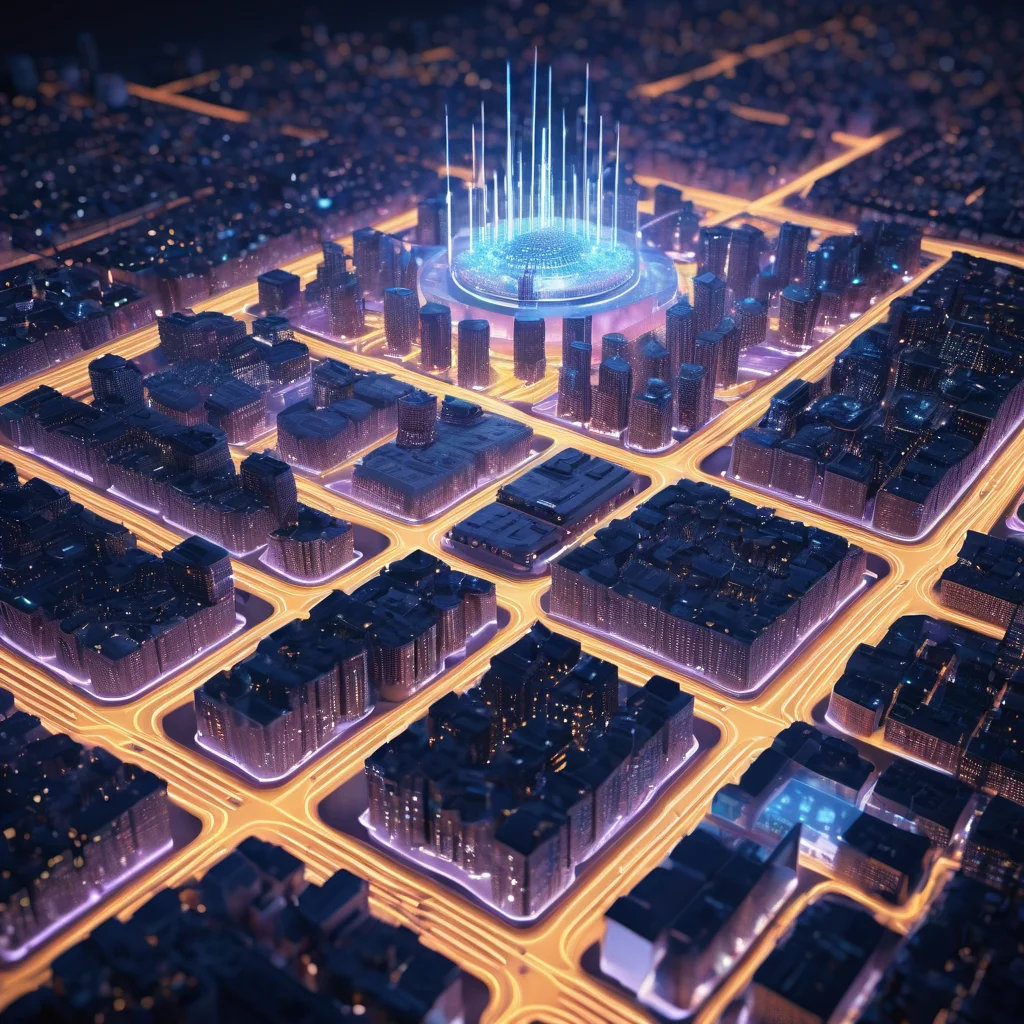
Illuminating the Future: Urban Planning and Zoning for Photonic Processors and Optical Computing
The promise of photonic processors and optical computing – leveraging light instead of electrons for computation – holds the potential to revolutionize fields ranging from artificial intelligence to materials science. While still in relatively early stages of commercialization compared to traditional electronics, the technology’s advantages – vastly increased speed, lower power consumption, and enhanced security – are driving significant investment and development. However, the unique infrastructural requirements of these systems present novel challenges for urban planners and zoning authorities, demanding a proactive and forward-thinking approach. This article explores these challenges and outlines the necessary adaptations to ensure a smooth integration of optical computing into the urban landscape.
Understanding Photonic Processors and Optical Computing
Before delving into planning considerations, it’s essential to understand the core differences. Traditional computers use electrons flowing through silicon chips. Photonic processors, conversely, use photons (light) to perform calculations. Optical computing takes this a step further, designing entire systems – from logic gates to memory – using optical components. This shift introduces several key distinctions impacting infrastructure needs:
- High Precision Optics: Optical systems require extremely precise alignment and fabrication of optical components (lenses, mirrors, waveguides). This necessitates specialized cleanrooms and fabrication facilities.
- Low-Loss Environments: Light signals degrade over distance. Optical computing systems require low-loss optical fibers and minimal signal disruption, demanding careful consideration of electromagnetic interference (EMI) and vibration.
- Temperature Sensitivity: Many photonic materials and devices are highly sensitive to temperature fluctuations, requiring precise temperature control and stable environmental conditions.
- Specialized Power Requirements: While generally more energy-efficient than electronic systems, optical computing infrastructure still requires stable and reliable power supplies, potentially with specific voltage and frequency characteristics.
Real-World Applications and Current Infrastructure Needs
While widespread consumer adoption is still years away, photonic technologies are already finding niche applications, driving initial infrastructure demands:
- High-Performance Computing (HPC) Centers: Leading research institutions and national labs are integrating photonic accelerators into their HPC clusters to accelerate AI training, drug discovery, and climate modeling. These centers require significant space for cleanrooms, optical fabrication labs, and high-precision alignment equipment. Existing HPC facilities are retrofitting, but future builds will need to incorporate these needs from the ground up.
- Data Centers: Optical interconnects are increasingly used within data centers to replace electronic links, boosting bandwidth and reducing power consumption. This requires space for optical transceivers, fiber optic cabling, and potentially, dedicated cooling systems.
- Telecommunications: Optical fiber networks are the backbone of modern telecommunications. The development of all-optical switching and processing technologies will necessitate upgrades and expansions to existing fiber infrastructure and the creation of specialized optical processing nodes.
- Quantum Computing: Photonic quantum computers rely heavily on precise optical control and manipulation of photons. The co-location of quantum computing hardware with advanced optical infrastructure is becoming increasingly common.
Urban Planning and Zoning Challenges & Solutions
The current urban planning framework, largely designed for electronic computing infrastructure, is ill-equipped to handle the specific demands of photonic processors and optical computing. Key challenges and potential solutions include:
- Zoning for Cleanroom Facilities: Cleanrooms, essential for fabricating photonic devices, require stringent air quality and vibration control. Zoning regulations need to accommodate these requirements, potentially creating designated “high-tech manufacturing” zones with specific environmental standards.
- EMI Mitigation: Optical systems are highly susceptible to EMI. Zoning regulations should enforce strict limits on electromagnetic emissions from nearby facilities, particularly those operating high-power equipment. Buffer zones and shielding requirements may be necessary.
- Vibration Isolation: Precise optical alignment is easily disrupted by vibrations. Building codes should incorporate vibration isolation measures for facilities housing photonic processors, including specialized foundations and damping systems. This might necessitate restrictions on nearby heavy machinery or transportation.
- Fiber Optic Routing: Dense fiber optic networks are crucial. Urban planning should prioritize underground fiber optic infrastructure, minimizing disruption and ensuring redundancy. Regulations regarding fiber optic routing and access need to be streamlined.
- Power Grid Stability: While photonic systems are generally more efficient, their concentrated deployment can still strain local power grids. Planning should consider the increased power demand and ensure grid stability through upgrades and distributed energy resources.
- Talent Attraction & Clustering: The development of photonic technologies requires a highly skilled workforce. Zoning policies should encourage the clustering of research institutions, fabrication facilities, and startups to foster collaboration and attract talent. Mixed-use zoning that combines research facilities with housing and amenities can be beneficial.
- Adaptive Reuse of Existing Buildings: Retrofitting existing buildings for photonic computing applications can be challenging. Zoning regulations should offer incentives and flexibility for adapting existing structures to meet the specialized requirements of cleanrooms, vibration isolation, and EMI shielding.
Industry Impact: Economic and Structural Shifts
The widespread adoption of photonic processors and optical computing will trigger significant economic and structural shifts:
- New Industries & Job Creation: A new ecosystem of companies specializing in photonic device fabrication, optical system integration, and software development will emerge, creating high-paying jobs.
- Reshoring of Manufacturing: The need for precise control and quality assurance in photonic device fabrication may incentivize the reshoring of manufacturing activities to developed countries.
- Regional Economic Development: Cities and regions that proactively embrace photonic technologies will attract investment and become hubs for innovation.
- Increased Real Estate Value: Areas zoned for high-tech manufacturing and research will experience increased real estate values.
- Shift in Skillsets: The demand for engineers and technicians with expertise in optics, photonics, and related fields will surge.
Conclusion
Photonic processors and optical computing represent a paradigm shift in computation. To fully realize the potential of this transformative technology, urban planners and zoning authorities must move beyond traditional approaches and embrace a forward-looking perspective. Proactive planning, flexible zoning regulations, and strategic investments in infrastructure are essential to create an environment that fosters innovation, attracts investment, and ensures the seamless integration of optical computing into the urban fabric of the future. Failure to do so risks stifling progress and leaving cities behind in the next technological revolution.
This article was generated with the assistance of Google Gemini.