Web3 technologies are providing the foundational infrastructure for DAOs to operate autonomously and transparently, enabling new forms of governance and community ownership. This convergence promises to reshape organizational structures, investment strategies, and even the very nature of work, though significant challenges remain.
Intersection of Web3 and Decentralized Autonomous Organizations (DAOs)
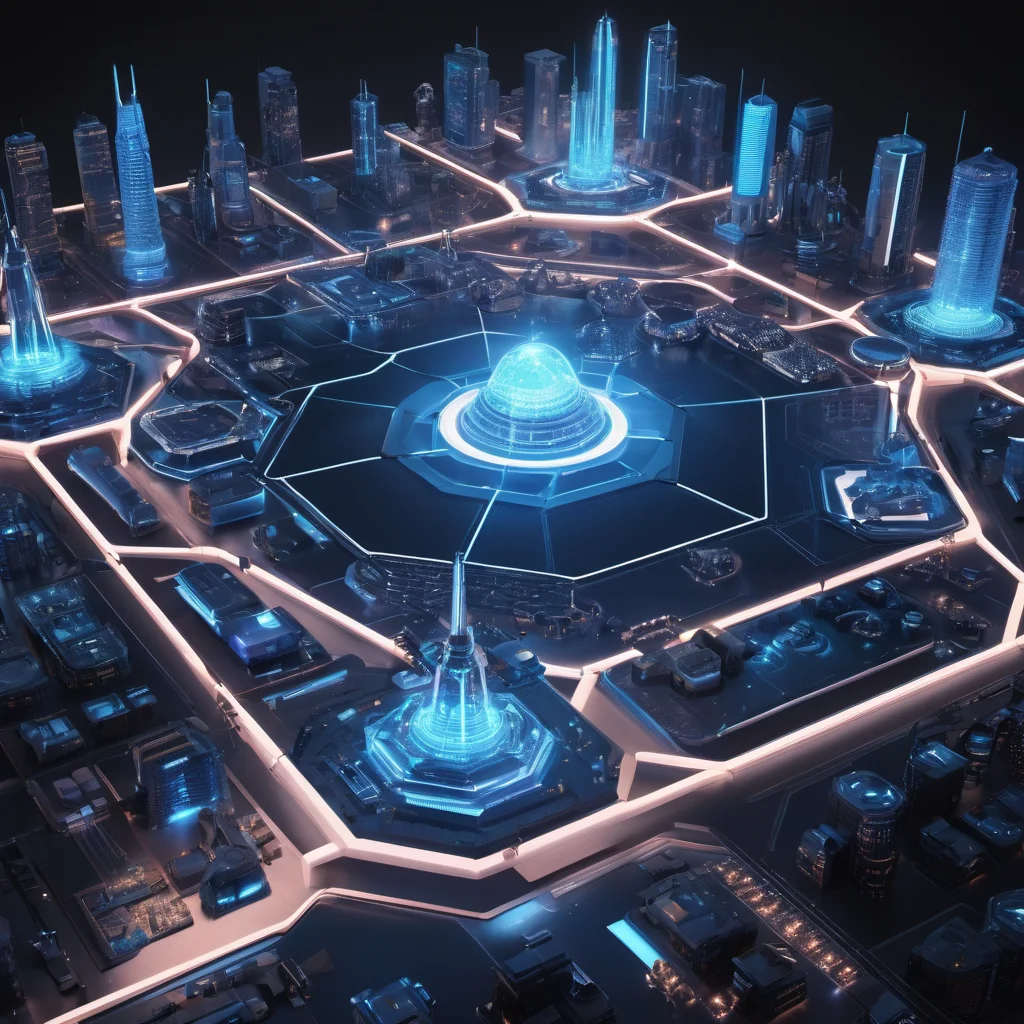
The Intersection of Web3 and Decentralized Autonomous Organizations (DAOs): A Transformative Convergence
The rise of Web3, the decentralized iteration of the internet, and Decentralized Autonomous Organizations (DAOs) represent two of the most significant shifts in technology and organizational structure in recent history. While distinct, their intersection is proving to be powerfully synergistic, creating new possibilities for community governance, resource allocation, and value creation. This article explores the mechanics of this convergence, its current impact, and potential future trajectory.
Understanding the Components: Web3 & DAOs
- Web3: Web3 aims to move away from centralized platforms (like Facebook, Google) and towards a more decentralized internet built on blockchain technology. Key elements include: decentralized storage (IPFS), decentralized identity (DIDs), tokenization (NFTs, cryptocurrencies), and decentralized computation (smart contracts). The core promise is user ownership of data and digital assets, and reduced reliance on intermediaries.
- DAOs: A DAO is an internet-native organization governed by rules encoded in smart contracts on a blockchain. These rules dictate how decisions are made, how resources are allocated, and how the organization operates. DAOs are intended to be transparent, democratic, and resistant to censorship. They eliminate (or significantly reduce) the need for traditional hierarchical management.
The Symbiotic Relationship: How Web3 Powers DAOs
Web3 provides the essential infrastructure for DAOs to function effectively. Here’s a breakdown of the key dependencies:
- Smart Contracts: DAOs are smart contracts. Platforms like Ethereum, Solana, and Polygon provide the blockchain environments where these contracts reside and are executed. These contracts automate governance processes, manage treasury funds, and enforce rules.
- Tokenization & Governance Tokens: DAOs typically utilize governance tokens. These tokens grant holders voting rights on proposals, allowing them to influence the direction of the organization. Web3’s tokenization capabilities make the distribution, management, and trading of these tokens seamless and transparent.
- Decentralized Storage: Important DAO documents, proposals, and voting records are often stored on decentralized storage solutions like IPFS (InterPlanetary File System) to ensure immutability and accessibility.
- Decentralized Identity (DIDs): While still nascent, DIDs are crucial for establishing verifiable identities within DAOs, preventing Sybil attacks (where a single entity creates multiple fake identities to manipulate voting) and enabling reputation systems.
- Oracles: DAOs often need to interact with real-world data (e.g., price feeds for DeFi protocols). Oracles, which are decentralized data feeds, provide this crucial link between the blockchain and external systems.
Current Impact & Use Cases
The intersection of Web3 and DAOs is already impacting various sectors:
- DeFi (Decentralized Finance): Many DeFi protocols are governed by DAOs, allowing token holders to vote on protocol upgrades, fee structures, and treasury management. MakerDAO, governing the DAI stablecoin, is a prime example.
- NFT Projects: DAOs are increasingly used to govern NFT collections, allowing holders to collectively decide on royalties, future drops, and community initiatives. PleasrDAO, known for acquiring culturally significant NFTs, exemplifies this.
- Venture Capital & Investment: Investment DAOs are emerging, allowing communities to pool capital and collectively invest in projects. This democratizes access to venture capital and allows for more aligned incentives.
- Social Media & Content Creation: DAOs are exploring new models for content creation and distribution, rewarding creators and users directly and bypassing traditional platforms.
- Gaming: Play-to-earn gaming models often utilize DAOs to govern in-game economies and reward players.
Technical Mechanisms: The Neural Architecture of DAO Governance
While DAOs don’t literally employ neural networks, the underlying architecture of their governance mechanisms can be viewed through a similar lens. Consider it a ‘distributed decision-making network’:
- Input Layer (Proposals): Members submit proposals, which act as the initial input. These proposals can range from simple parameter changes to complex strategic initiatives.
- Processing Layer (Voting & Discussion): Token holders vote on proposals. This voting process is often weighted by token holdings (quadratic voting is a mechanism attempting to mitigate whale dominance). Off-chain discussion forums (Discord, Discourse) are crucial for debate and information dissemination.
- Aggregation Layer (Smart Contract Logic): The smart contract aggregates the votes and applies pre-defined rules. This often involves threshold requirements (e.g., a certain percentage of votes in favor) and time delays.
- Output Layer (Execution): If a proposal passes, the smart contract automatically executes the changes. This automation eliminates the need for intermediaries and ensures transparency.
- Feedback Loop (Reputation & Iteration): The outcome of decisions and the overall performance of the DAO provide feedback, influencing future proposals and governance strategies. Reputation systems, still under development, aim to incentivize constructive participation.
Challenges & Limitations
Despite the immense potential, several challenges hinder the widespread adoption of Web3-powered DAOs:
- Scalability: Blockchain networks often struggle to handle the transaction volume required for large-scale DAO operations.
- Security: Smart contract vulnerabilities can be exploited, leading to loss of funds or governance manipulation.
- Legal & Regulatory Uncertainty: The legal status of DAOs remains unclear in most jurisdictions.
- Participation & Governance Fatigue: Active participation in DAO governance can be time-consuming and complex, leading to low voter turnout.
- Sybil Resistance: Preventing malicious actors from gaining disproportionate influence through fake identities is a persistent challenge.
Future Outlook (2030s & 2040s)
- 2030s: We’ll see more sophisticated DAO tooling emerge, including improved voting mechanisms (e.g., liquid democracy), better reputation systems, and more user-friendly interfaces. Legal frameworks for DAOs will begin to solidify, providing greater clarity and legitimacy. AI-powered tools will assist in proposal analysis and community sentiment tracking. Specialized DAOs focused on specific industries (e.g., scientific research, climate change mitigation) will become commonplace.
- 2040s: DAOs could become the dominant organizational structure for many types of ventures, blurring the lines between companies, non-profits, and investment funds. Decentralized identity solutions will be ubiquitous, enabling more robust governance and reputation systems. AI will play a far more integral role in DAO operations, automating tasks, optimizing resource allocation, and even generating proposals. The concept of ‘DAO-as-a-Service’ will mature, making it easier for individuals and organizations to launch and manage DAOs.
Conclusion
The convergence of Web3 and DAOs represents a profound shift in how organizations are structured and governed. While challenges remain, the potential for increased transparency, community ownership, and innovation is undeniable. As the technology matures and the legal landscape clarifies, we can expect to see DAOs play an increasingly significant role in shaping the future of work, investment, and the internet itself.
This article was generated with the assistance of Google Gemini.