The rise of autonomous eVTOL networks promises revolutionary urban mobility, but also presents a complex challenge regarding job displacement and creation. While traditional aviation roles will be impacted, new opportunities will emerge in manufacturing, maintenance, infrastructure development, and air traffic management, requiring workforce adaptation and reskilling initiatives.
Job Displacement vs. Creation in Autonomous eVTOL (electric vertical takeoff and landing) Networks
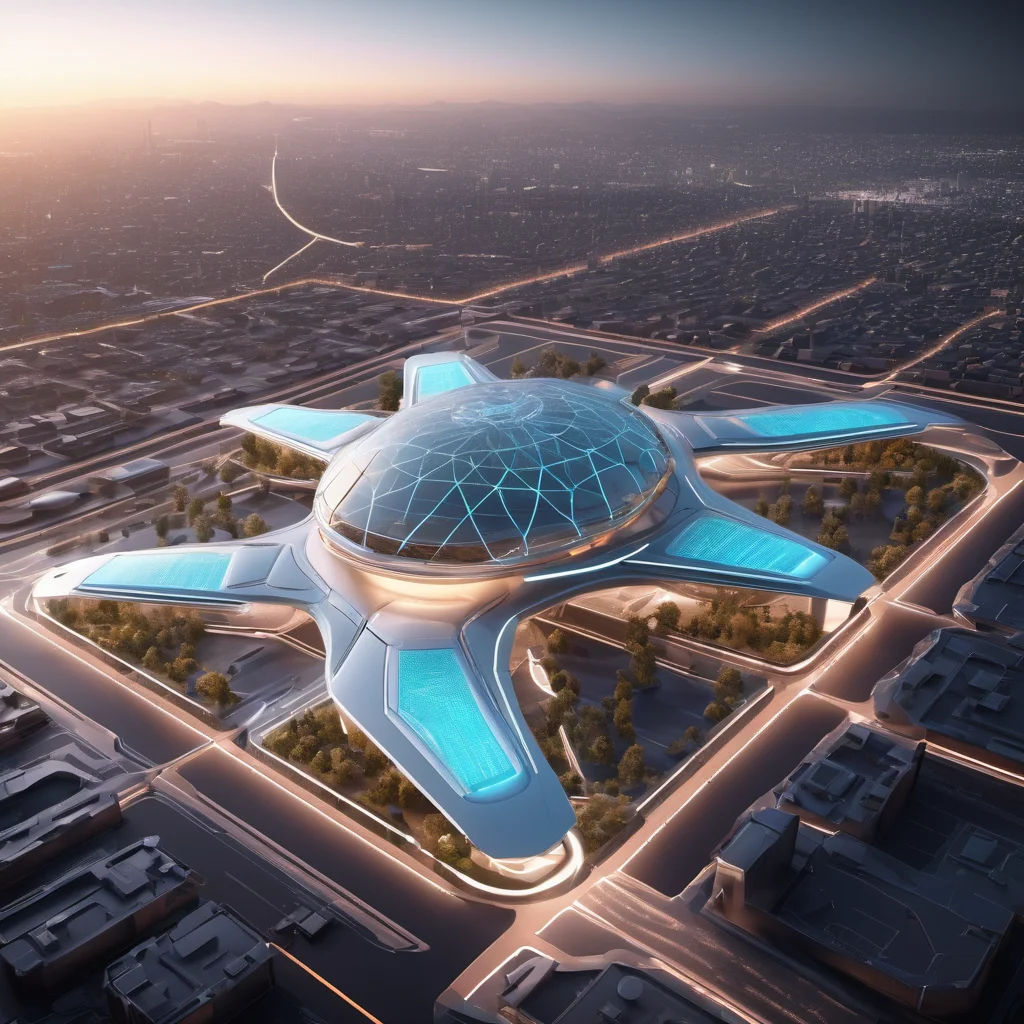
Job Displacement vs. Creation in Autonomous eVTOL (electric vertical takeoff and landing) Networks: A Comprehensive Analysis
The emergence of electric Vertical Takeoff and Landing (eVTOL) aircraft, coupled with the ambition to create autonomous networks for urban air mobility (UAM), represents a potentially transformative shift in transportation. While the promise of reduced congestion, faster commutes, and new economic opportunities is compelling, the societal impact – particularly concerning job displacement and creation – demands careful consideration. This article will explore the current state of eVTOL technology, its real-world applications, the anticipated industry impact, and the strategies needed to navigate the evolving workforce landscape.
Understanding eVTOL and Autonomous Networks
eVTOL aircraft are essentially electric-powered helicopters or fixed-wing aircraft capable of vertical takeoff and landing. They offer advantages over traditional helicopters in terms of noise reduction, lower operating costs, and potentially, increased safety due to electric propulsion. The crucial element for widespread adoption is autonomy. While fully autonomous operation is still several years away, the development of increasingly sophisticated automated flight control systems is accelerating. These systems, coupled with advanced sensor suites (lidar, radar, cameras) and robust communication networks, are essential for creating safe and efficient UAM networks.
Real-World Applications & Current Infrastructure Integration
While fully operational, large-scale autonomous eVTOL networks are still in the developmental phase, several applications are already demonstrating the technology’s potential:
- Emergency Medical Services (EMS): Companies like Wingcopter are already using electric drones (a precursor to eVTOLs) to deliver medical supplies and transport personnel in remote areas and congested urban environments. This bypasses ground traffic and significantly reduces response times. This is a direct application of the vertical takeoff and landing capability, even without full autonomy.
- Cargo Delivery: Amazon, UPS, and FedEx are actively exploring drone delivery services, utilizing electric drones for last-mile logistics. While not eVTOLs in the strictest sense (many require short runways), they demonstrate the viability of electric aerial transport for goods.
- Offshore Wind Farm Maintenance: Companies are deploying electric drones and eVTOLs to inspect and maintain wind turbines, reducing the need for costly and time-consuming helicopter inspections. This highlights the utility of vertical takeoff and landing in challenging industrial environments.
- Airport Shuttle Services: Several eVTOL companies are partnering with airports to provide short-range shuttle services, connecting airports to city centers and bypassing ground traffic. Joby Aviation, for example, has secured agreements with several major airports.
Infrastructure integration is currently limited. Vertiports – dedicated landing and charging facilities for eVTOLs – are being planned and built in several cities, but their scale and distribution are still nascent. Existing helipads can be adapted, but purpose-built vertiports are necessary to accommodate the anticipated volume of eVTOL traffic and ensure safety.
Industry Impact: Job Displacement
The introduction of autonomous eVTOL networks will undoubtedly lead to job displacement in several sectors:
- Traditional Helicopter Pilots: The most immediate and significant impact will be on helicopter pilots. As eVTOLs become more capable and autonomous, the demand for human pilots in many applications (e.g., short-range passenger transport, cargo delivery) will diminish. While some pilots may transition to overseeing autonomous systems, a substantial reduction in pilot roles is expected.
- Aircraft Maintenance Technicians (Helicopters): The maintenance requirements of eVTOLs differ significantly from those of traditional helicopters. While skilled technicians will still be needed, the specific skillsets required will shift, potentially displacing those lacking the necessary training.
- Air Traffic Controllers (Traditional): While air traffic controllers will initially be involved in managing eVTOL traffic, the increasing autonomy of these aircraft will eventually lead to the development of automated air traffic management systems, reducing the need for human intervention.
- Ground Transportation Workers: To the extent that eVTOLs replace ground-based transportation options (e.g., taxis, ride-sharing services), jobs in those sectors will be at Risk.
Industry Impact: Job Creation
Despite the displacement, the eVTOL industry will also generate significant new job opportunities:
- eVTOL Manufacturing: The production of eVTOL aircraft will require a large workforce, including engineers, technicians, and assembly line workers. This will create jobs in aerospace manufacturing, potentially revitalizing regions impacted by declines in traditional aviation manufacturing.
- Vertiport Construction & Operation: The development and operation of vertiports will create jobs in construction, engineering, facility management, and customer service.
- Air Traffic Management (UAM): Specialized air traffic management roles will be needed to oversee UAM networks, requiring expertise in autonomous systems, airspace management, and data analytics. New software and hardware development will also be a significant job creator.
- Software Engineering & AI Development: The development of autonomous flight control systems, sensor integration, and data analytics platforms will require a large number of software engineers and AI specialists.
- Battery Technology & Charging Infrastructure: The demand for high-performance batteries and robust charging infrastructure will drive job creation in the battery manufacturing and energy sectors.
- Cybersecurity: Securing eVTOL networks from cyber threats will require specialized cybersecurity professionals.
- Regulatory & Legal: New regulatory frameworks and legal expertise will be needed to govern UAM operations, creating jobs in law and regulatory affairs.
Workforce Adaptation & Reskilling Strategies
Mitigating the negative impacts of job displacement and maximizing the benefits of job creation requires proactive workforce adaptation strategies:
- Government-Funded Reskilling Programs: Governments should invest in programs to retrain displaced workers, particularly pilots and maintenance technicians, for roles in the eVTOL industry.
- Industry-Academia Partnerships: Collaboration between eVTOL companies and educational institutions can ensure that training programs align with industry needs.
- Apprenticeship Programs: Apprenticeship programs can provide on-the-job training and mentorship for new entrants to the eVTOL workforce.
- Emphasis on STEM Education: Promoting STEM education at all levels is crucial for developing the talent pipeline needed to support the eVTOL industry.
- Portable Benefit Systems: Exploring portable benefit systems can help workers transition between jobs and maintain access to healthcare and retirement savings.
Conclusion
The advent of autonomous eVTOL networks presents both challenges and opportunities for the workforce. While job displacement in traditional aviation roles is inevitable, the industry’s growth will also create a significant number of new jobs. By proactively investing in reskilling programs, fostering industry-academia partnerships, and adapting regulatory frameworks, we can ensure a just and equitable transition to the future of urban air mobility. The key lies in recognizing the transformative nature of this technology and preparing the workforce for the changes it will bring.
This article was generated with the assistance of Google Gemini.