Brain-Computer Interfaces (BCIs) and neural decoding are poised to revolutionize numerous industries, initially impacting healthcare and assistive technologies, but with broader implications for productivity, communication, and entertainment. While significant hurdles remain, the potential for economic disruption and value creation is substantial, necessitating proactive consideration of ethical and societal implications.
Economic Impact of Brain-Computer Interfaces (BCI) and Neural Decoding
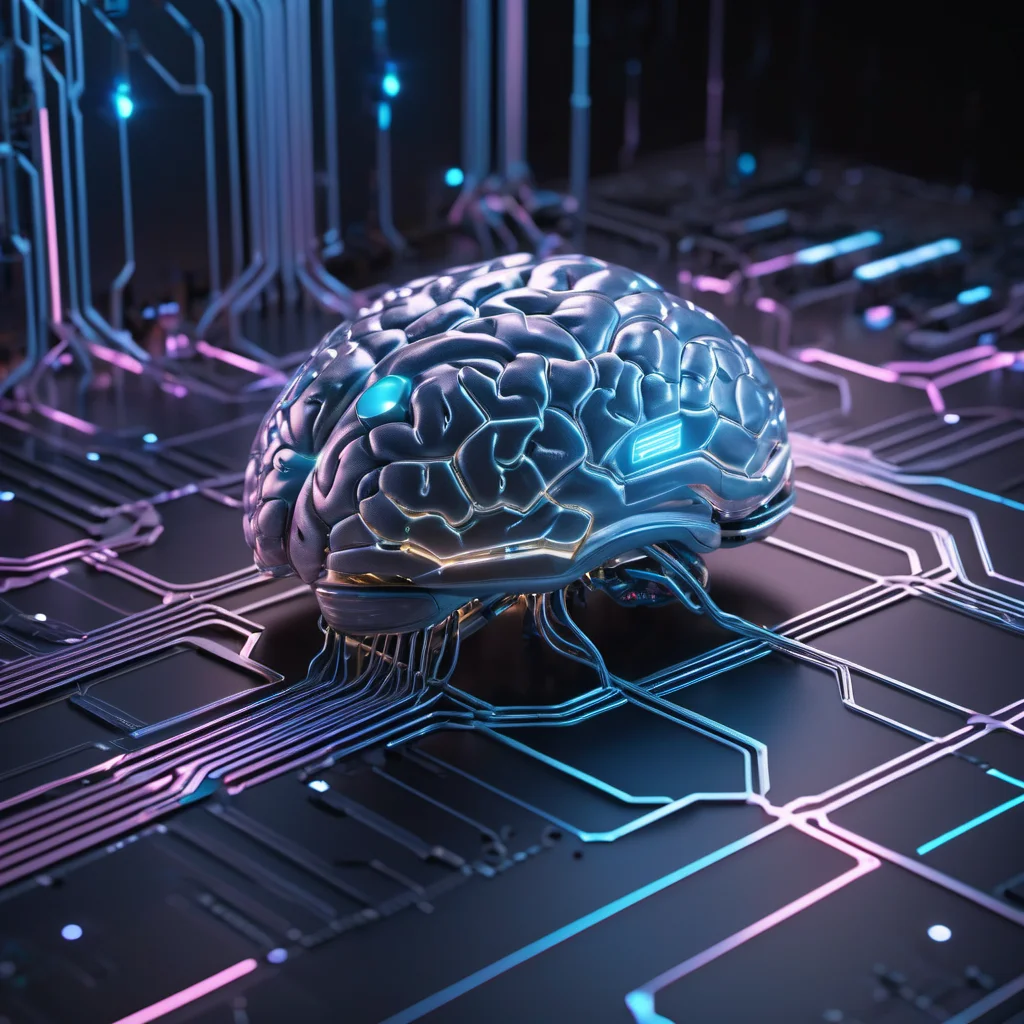
The Economic Impact of Brain-Computer Interfaces (BCI) and Neural Decoding
Brain-Computer Interfaces (BCIs) and the related field of neural decoding are rapidly transitioning from science fiction to tangible reality. These technologies, enabling communication and control through brain activity, hold the promise of transformative economic impact across diverse sectors. This article explores the current and near-term economic implications, the underlying technical mechanisms, and offers a glimpse into potential future developments.
Current State and Near-Term Applications: A Multi-Billion Dollar Market
The BCI market is currently estimated at around $1.4 billion (2023) and projected to reach $3.7 billion by 2028, exhibiting a compound annual growth rate (CAGR) of 22.4% (MarketsandMarkets). While early applications have focused on medical interventions, the scope is expanding rapidly.
- Healthcare & Assistive Technology (Dominant Driver): The most immediate economic impact lies in assisting individuals with paralysis, motor neuron diseases (ALS), and stroke. BCIs allow patients to control prosthetic limbs, wheelchairs, and communication devices, significantly improving quality of life and reducing caregiver burden. Companies like Neuralink, Blackrock Neurotech, and Synchron are actively pursuing these applications, creating a market for implants, software, and rehabilitation services. The cost of these initial solutions is high (tens of thousands to hundreds of thousands of dollars), limiting accessibility but driving innovation towards less invasive and more affordable options. Furthermore, neural decoding is being utilized to interpret brain signals for early diagnosis of neurological disorders like epilepsy and Parkinson’s disease, leading to more targeted and effective treatments.
- Gaming & Entertainment: Non-invasive BCIs are already finding traction in gaming, allowing players to control characters and interact with virtual environments using their thoughts. This nascent market, while currently small, has significant growth potential as technology improves and becomes more accessible. The ability to directly translate emotional states into game responses could revolutionize immersive experiences.
- Productivity & Human-Computer Interaction: Beyond gaming, BCIs offer the potential to enhance productivity by enabling hands-free control of computers and other devices. Imagine architects designing in virtual reality with thought-controlled tools or surgeons performing minimally invasive procedures with greater precision. While still in early stages, this application represents a significant long-term economic opportunity.
- Neuroscience Research: BCIs are invaluable tools for neuroscience research, allowing scientists to study brain function in unprecedented detail. This research generates valuable data and insights that can lead to new treatments for neurological and psychiatric disorders, further fueling economic growth in the pharmaceutical and biotechnology sectors.
Technical Mechanisms: From Signals to Action
Understanding the underlying technology is crucial to appreciating its economic potential. BCIs broadly fall into two categories: invasive and non-invasive.
- Invasive BCIs: These involve surgically implanting electrodes directly into the brain. They offer the highest signal resolution and are typically used for individuals with severe motor impairments.
- Electrodes: Microelectrode arrays record the electrical activity of individual neurons or small groups of neurons. These signals are then amplified, filtered, and processed.
- Neural Decoding Algorithms: Sophisticated algorithms, often employing machine learning techniques (particularly recurrent neural networks – RNNs – and convolutional neural networks – CNNs), are used to decode these signals and translate them into commands. For example, decoding motor cortex activity can allow a paralyzed individual to control a robotic arm. The accuracy of these decoders is directly linked to the quality of the signal and the sophistication of the algorithms. ‘Spiking Neural Networks’ (SNNs), which more closely mimic biological neural processing, are a growing area of research aiming for more efficient and accurate decoding.
- Non-Invasive BCIs: These use sensors placed on the scalp to detect brain activity. While less precise than invasive BCIs, they are safer and more accessible.
- Electroencephalography (EEG): The most common non-invasive technique, EEG measures electrical activity through electrodes on the scalp. Signal processing techniques are used to extract features like event-related potentials (ERPs) and sensorimotor rhythms (SMRs), which can be used to control external devices.
- Functional Near-Infrared Spectroscopy (fNIRS): fNIRS measures changes in blood oxygenation in the brain, providing an indirect measure of neural activity. It offers better spatial resolution than EEG but is limited in its ability to detect deep brain structures.
Economic Challenges and Barriers
Despite the immense potential, several challenges hinder widespread adoption and limit the current economic impact:
- High Cost: BCI systems, particularly invasive ones, are expensive to develop, manufacture, and implant. This limits accessibility and restricts the market to specialized applications.
- Surgical Risks: Invasive BCIs carry inherent surgical risks, including infection, bleeding, and brain damage.
- Signal Noise & Decoding Accuracy: Decoding brain signals is challenging due to noise and variability. Improving the accuracy and reliability of decoding algorithms is crucial for practical applications.
- Regulatory Hurdles: BCI devices are subject to stringent regulatory approval processes, which can delay market entry.
- Ethical Concerns: Concerns about privacy, security, and potential misuse of BCI technology need to be addressed proactively.
Future Outlook (2030s & 2040s)
- 2030s: We can expect to see more refined and less invasive BCI systems. Wireless, fully implantable devices will become more common, reducing the need for bulky external equipment. Neural decoding algorithms will become significantly more accurate and robust, enabling more complex control and communication. The market for assistive technology will expand as costs decrease and accessibility improves. Early applications in productivity and human-computer interaction will emerge, initially in specialized fields like design and surgery. ‘Brain-to-brain interfaces’ – allowing limited information transfer between individuals – may see initial, controlled experimentation.
- 2040s: BCIs could become a mainstream technology, integrated into everyday life. Non-invasive BCIs could replace traditional input devices for a significant portion of the population. Neural decoding could be used to personalize education, optimize performance, and even enhance cognitive abilities (though ethical considerations will be paramount). The line between human and machine could become increasingly blurred, raising profound philosophical and societal questions. The economic impact will be pervasive, affecting virtually every industry.
Conclusion
Brain-Computer Interfaces and Neural Decoding represent a technological frontier with the potential to reshape the global economy. While significant challenges remain, the ongoing advancements in neuroscience, engineering, and artificial intelligence are paving the way for a future where the power of the human brain can be harnessed to solve some of the world’s most pressing problems and create unprecedented opportunities. Proactive planning and ethical considerations are essential to ensure that this transformative technology benefits all of humanity.”
“meta_description”: “Explore the economic impact of Brain-Computer Interfaces (BCI) and neural decoding, from healthcare to gaming, and a look at future developments and challenges.
This article was generated with the assistance of Google Gemini.